
Retail & Wholesale Risk Tips
Transform your warehouse safety inspections from checkbox exercises into powerful tools for protecting workers, ensuring compliance, and building a genuine culture of safety throughout your operation.
Updated January 2026 22 min read By First Underwriters Risk Team
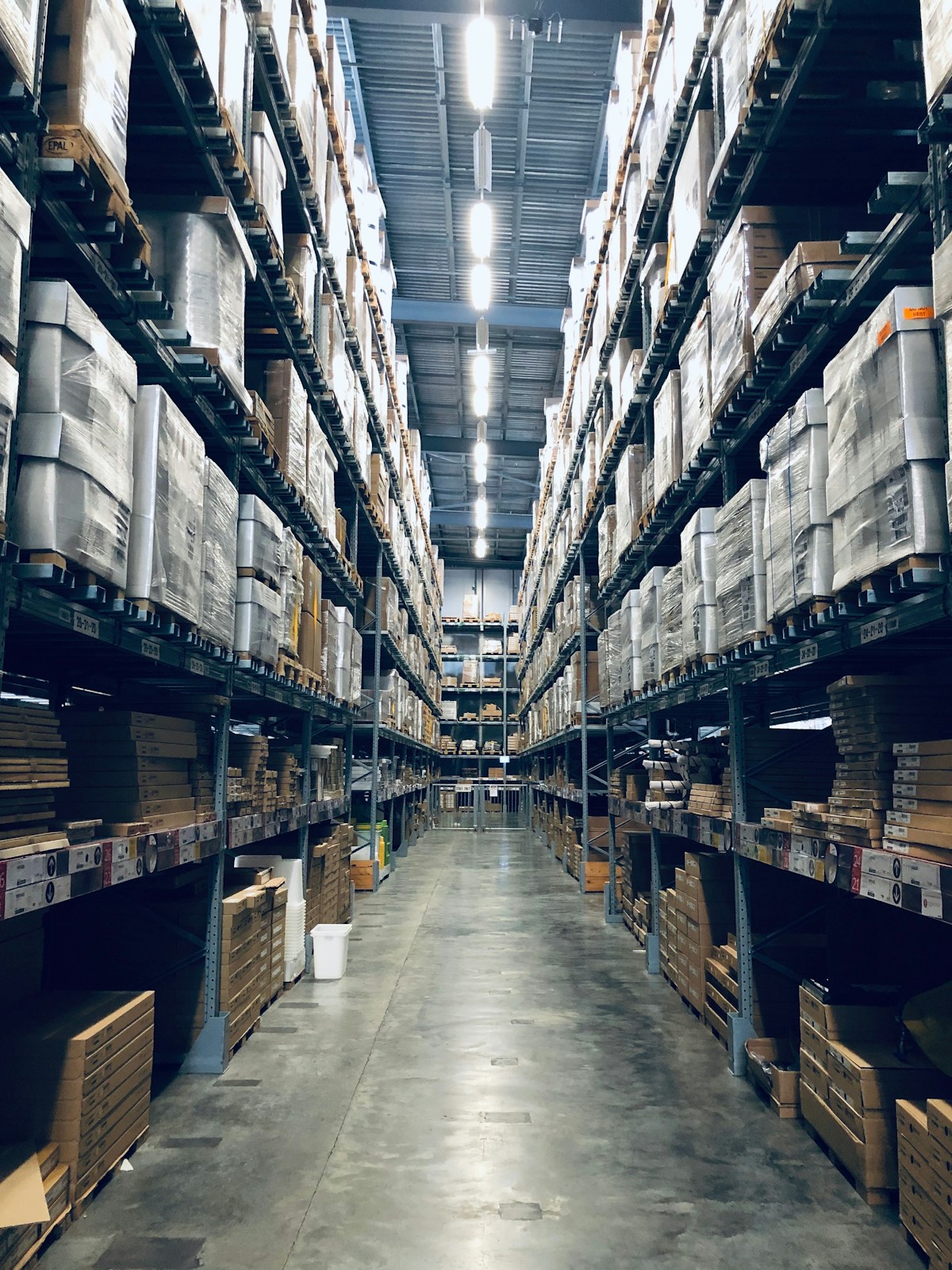
Warehouse safety inspections serve as the foundation for preventing workplace injuries and maintaining regulatory compliance in distribution and storage facilities. Consequently, effective warehouse safety inspections protect your most valuable asset—your employees—while safeguarding your business from costly accidents, OSHA citations, and liability claims. According to the Occupational Safety and Health Administration (OSHA), warehousing ranks among the most hazardous industries, with fatal injury rates higher than the national average.
Moreover, warehouse safety inspections do more than identify hazards—they demonstrate organizational commitment to worker wellbeing. Therefore, this comprehensive guide will help you develop warehouse safety inspections programs that go beyond compliance to build a genuine culture of safety throughout your operation.
Warehouse Safety Inspections: Critical Statistics
- 5.5 per 100 workers experience recordable injuries in warehousing annually
- $84,000 average cost per warehouse injury including indirect costs
- 85 fatalities occur in warehousing operations each year in the U.S.
- 70% of forklift accidents are preventable with proper inspections
- $14,000 average OSHA penalty for serious violations found during inspections
Why Warehouse Safety Inspections Matter
Essentially, warehouse safety inspections represent your first line of defense against workplace incidents. According to the Bureau of Labor Statistics, warehousing workers experience injury rates significantly above average for all industries. Regular warehouse safety inspections identify hazards before they cause injuries, enabling proactive correction rather than reactive response to accidents.
The Business Case for Warehouse Safety Inspections
Beyond protecting workers, warehouse safety inspections deliver significant business benefits:
- Reduced injury costs – First, preventing injuries eliminates medical expenses, lost productivity, and replacement costs
- Lower insurance premiums – Second, strong safety records lead to reduced workers' compensation costs
- Regulatory compliance – Third, regular inspections help maintain OSHA compliance and avoid citations
- Improved productivity – Fourth, safe workplaces operate more efficiently with fewer disruptions
- Enhanced recruitment – Fifth, safety-conscious employers attract and retain better talent
- Reduced liability – Finally, documented warehouse safety inspections provide legal protection
Consequently, warehouse safety inspections should be viewed as investments rather than expenses.
Legal Requirements for Warehouse Safety Inspections
Furthermore, various regulations mandate warehouse safety inspections. OSHA's General Duty Clause requires employers to provide workplaces free from recognized hazards. Additionally, specific OSHA standards require regular inspections of equipment, fire safety systems, and workplace conditions.
Key regulatory requirements affecting warehouse safety inspections include:
- Forklift inspections – Daily pre-operation inspections required under 29 CFR 1910.178
- Fire extinguisher inspections – Monthly and annual inspections under 29 CFR 1910.157
- Emergency exit inspections – Regular verification of clear egress paths
- Electrical safety – Inspections of electrical equipment and wiring conditions
- Fall protection – Regular inspection of guardrails, ladders, and elevated platforms
Warehouse Safety Inspections Demonstrate Due Diligence
Notably, documented warehouse safety inspections provide crucial evidence of due diligence if accidents occur. When you can demonstrate regular inspections and prompt hazard correction, you establish that safety is genuinely prioritized—not merely discussed. This documentation protects both workers and your organization.
Types of Warehouse Safety Inspections
Clearly, different types of warehouse safety inspections serve different purposes. A comprehensive program includes multiple inspection types conducted at various frequencies by different personnel.
Warehouse Safety Inspections by Frequency
| Inspection Type | Frequency | Primary Focus |
|---|---|---|
| Pre-shift inspections | Daily/every shift | Equipment readiness, immediate hazards |
| Supervisor walkthroughs | Daily | Work practices, housekeeping, PPE compliance |
| Formal area inspections | Weekly/monthly | Comprehensive area-by-area review |
| Equipment inspections | Per manufacturer schedule | Preventive maintenance, safety features |
| Management safety audits | Quarterly/annually | Program effectiveness, compliance verification |
Warehouse Safety Inspections by Inspector
Additionally, warehouse safety inspections should involve multiple levels of the organization:
- Operators – First, conduct daily equipment inspections before use
- Supervisors – Second, perform regular area walkthroughs and observe work practices
- Safety committees – Third, conduct formal monthly inspections with employee involvement
- Safety managers – Fourth, perform comprehensive facility audits
- External experts – Finally, provide periodic third-party assessments
Involve Employees in Warehouse Safety Inspections
Research from the National Institute for Occupational Safety and Health (NIOSH) shows that employee involvement in warehouse safety inspections significantly improves hazard identification. Workers who perform tasks daily often notice hazards that supervisors miss. Empowering employees to participate in inspections also builds ownership of safety outcomes.
Planning Effective Warehouse Safety Inspections
Fundamentally, successful warehouse safety inspections require thoughtful planning. Random, unstructured inspections miss hazards and fail to drive systematic improvement. Therefore, develop a structured approach to warehouse safety inspections.
Creating Warehouse Safety Inspections Schedules
Establish clear schedules for all warehouse safety inspections types:
- Map your facility – First, divide the warehouse into logical inspection zones
- Assign responsibilities – Second, designate who inspects each area and when
- Set frequencies – Third, determine how often each area requires inspection
- Create calendars – Fourth, schedule inspections and track completion
- Build in flexibility – Finally, allow for additional inspections after incidents or changes
Developing Warehouse Safety Inspections Checklists
Additionally, standardized checklists ensure comprehensive, consistent warehouse safety inspections:
- Customize to your facility – Generic checklists miss facility-specific hazards
- Organize logically – Group items by area or hazard type for efficient completion
- Include all hazard types – Cover physical, chemical, ergonomic, and procedural hazards
- Provide guidance – Include criteria for evaluating each item
- Update regularly – Revise checklists based on new hazards, incidents, or regulations
Use Technology to Enhance Warehouse Safety Inspections
Modern warehouse safety inspections benefit from technology. Mobile inspection apps enable real-time documentation, photo capture, and immediate corrective action assignment. Digital systems also provide trending analysis to identify recurring issues and measure program effectiveness over time.
Key Areas for Warehouse Safety Inspections
Specifically, warehouse safety inspections must cover all areas where hazards exist. While every facility differs, certain areas require attention in virtually all warehouse safety inspections programs.
Critical Focus Areas for Warehouse Safety Inspections
Loading Docks
Dock levelers, edge protection, trailer restraints, lighting, and pedestrian separation require regular warehouse safety inspections attention.
Racking Systems
Structural integrity, load capacities, column protection, and proper use are essential warehouse safety inspections priorities.
Floor Conditions
Surface damage, spills, debris, floor markings, and drainage issues should feature in warehouse safety inspections.
Emergency Systems
Fire extinguishers, exits, emergency lighting, and alarms require warehouse safety inspections verification.
Additional Warehouse Safety Inspections Areas
Furthermore, comprehensive warehouse safety inspections should include:
- Electrical systems – Panels, outlets, cords, and equipment connections
- Lighting – Adequate illumination in all work areas
- Ventilation – Air quality, especially in battery charging areas
- Material storage – Proper stacking, securing, and accessibility
- Chemical storage – Containment, labeling, and SDS availability
- Personal protective equipment – Availability, condition, and proper use
- Pedestrian walkways – Marking, barriers, and separation from traffic

Forklift and Equipment Inspections as Part of Warehouse Safety Inspections
Particularly important within warehouse safety inspections are forklift and powered industrial truck inspections. Forklifts cause approximately 85 fatalities and 34,900 serious injuries annually. Therefore, rigorous equipment inspection is essential.
Daily Forklift Inspections
OSHA requires operators to inspect forklifts before each shift. Include these items in warehouse safety inspections of forklifts:
- Visual inspection – First, check for damage, leaks, and tire condition
- Fluid levels – Second, verify oil, hydraulic fluid, and coolant levels
- Safety devices – Third, test horn, lights, backup alarm, and seat belt
- Controls – Fourth, verify proper operation of steering, brakes, and lift mechanisms
- Mast and forks – Fifth, inspect for cracks, wear, and proper operation
- Load capacity label – Finally, confirm data plate is present and legible
Warehouse Safety Inspections for Other Equipment
Additionally, warehouse safety inspections should cover all material handling equipment:
| Equipment | Inspection Frequency | Key Inspection Points |
|---|---|---|
| Pallet jacks | Before each use | Wheels, handle, hydraulics, forks |
| Conveyors | Daily/weekly | Guards, emergency stops, belts, rollers |
| Dock equipment | Before each use | Levelers, restraints, lights, bumpers |
| Ladders | Before each use | Rungs, feet, locking mechanisms |
| Battery chargers | Weekly | Ventilation, spill containment, connections |
Remove Defective Equipment Immediately
When warehouse safety inspections identify equipment defects, the equipment must be immediately removed from service until repaired. Allowing continued use of defective forklifts or other equipment creates serious liability exposure and endangers workers. Tag defective equipment clearly and document the removal and subsequent repair.
Racking and Storage Inspections in Warehouse Safety Inspections
Similarly, racking system inspections represent a critical component of warehouse safety inspections. Rack collapses can cause catastrophic injuries and extensive property damage. According to the Material Handling Industry (MHI), improper rack use contributes to thousands of warehouse incidents annually.
Racking Elements to Include in Warehouse Safety Inspections
Comprehensive warehouse safety inspections of racking should examine:
- Uprights – First, check for damage, rust, bowing, or out-of-plumb conditions
- Beams – Second, inspect for damage, deflection, and proper engagement with clips
- Beam clips – Third, verify all safety clips are in place and functional
- Base plates and anchors – Fourth, confirm secure floor attachment
- Column protectors – Fifth, check for damage and proper positioning
- Load capacity signs – Sixth, verify visible, accurate capacity postings
- Decking – Finally, inspect wire decking or solid shelving for damage
Warehouse Safety Inspections Racking Damage Classification
During warehouse safety inspections, classify racking damage by severity:
- Green (minor) – Cosmetic damage not affecting structural integrity; monitor and schedule repair
- Yellow (moderate) – Damage requiring attention; reduce loads and schedule prompt repair
- Red (critical) – Immediate unloading required; do not use until professionally repaired
Professional Racking Inspections
While internal warehouse safety inspections should occur regularly, engage qualified racking engineers for annual professional inspections. Organizations like the Rack Manufacturers Institute (RMI) provide guidance on racking safety and inspection standards. Professional inspections identify issues that may be missed in routine warehouse safety inspections.
Documenting Warehouse Safety Inspections
Importantly, warehouse safety inspections are only valuable when properly documented. Documentation serves multiple purposes: tracking hazard correction, demonstrating compliance, identifying trends, and providing legal protection.
Essential Elements of Warehouse Safety Inspections Documentation
Every warehouse safety inspections record should include:
- Date, time, and location – When and where the inspection occurred
- Inspector identification – Who conducted the inspection
- Items inspected – What was examined during the inspection
- Findings – Hazards identified and their severity
- Corrective actions – What actions are needed to address findings
- Assignment and deadlines – Who is responsible and when correction is due
- Verification – Confirmation that corrections were completed
Warehouse Safety Inspections Record Retention
Additionally, maintain warehouse safety inspections records appropriately:
- Daily equipment inspections – Retain for at least one year
- Formal safety inspections – Retain for at least three years
- Incident-related inspections – Retain for duration of any claim plus additional years
- Annual audits – Retain permanently as part of safety program history
Documentation Demonstrates Your Commitment
Thorough warehouse safety inspections documentation demonstrates organizational commitment to safety. If OSHA inspects your facility or if litigation occurs following an incident, documented inspections and corrective actions show that safety was genuinely prioritized—not merely stated as a value.
Taking Corrective Action from Warehouse Safety Inspections
Ultimately, warehouse safety inspections only prevent injuries when findings lead to corrective action. An inspection program that identifies hazards but fails to correct them may actually increase liability by demonstrating known but unaddressed dangers.
Prioritizing Warehouse Safety Inspections Findings
Not all hazards require the same urgency. Prioritize warehouse safety inspections findings by:
- Severity potential – First, how serious could resulting injuries be?
- Probability – Second, how likely is an incident to occur?
- Exposure – Third, how many workers are affected and how often?
- Regulatory requirements – Fourth, are there compliance deadlines?
Corrective Action Process for Warehouse Safety Inspections
Implement a systematic corrective action process:
- Immediate hazard control – First, implement temporary controls for serious hazards
- Document findings – Second, record the hazard with photos and descriptions
- Assign responsibility – Third, designate who will implement permanent correction
- Set deadlines – Fourth, establish realistic but urgent completion dates
- Implement controls – Fifth, complete permanent corrective actions
- Verify effectiveness – Sixth, confirm corrections adequately address the hazard
- Document completion – Finally, record completion with verification signatures

Never Ignore Warehouse Safety Inspections Findings
Documented hazards that remain uncorrected create significant legal exposure. If an injury occurs from a known hazard, your warehouse safety inspections records become evidence of negligence. Always address findings promptly, and if resource constraints delay correction, document interim protective measures and escalate for resolution.
Building Safety Culture Through Warehouse Safety Inspections
Remarkably, warehouse safety inspections can do more than identify hazards—they can transform organizational culture. When implemented thoughtfully, inspections communicate that safety matters and engage employees as active participants in protecting themselves and their coworkers.
Making Warehouse Safety Inspections Collaborative
Transform warehouse safety inspections from enforcement activities to collaborative improvement efforts:
- Include workers – First, involve employees in conducting inspections
- Ask for input – Second, seek employee observations about hazards and solutions
- Share findings – Third, communicate inspection results to all staff
- Celebrate improvements – Fourth, recognize areas and teams with strong safety performance
- Act on feedback – Finally, demonstrate that employee input leads to real changes
Using Warehouse Safety Inspections for Continuous Improvement
Additionally, analyze warehouse safety inspections data to drive ongoing improvement:
- Identify trends – What hazard types appear repeatedly?
- Find root causes – Why do certain hazards keep occurring?
- Measure progress – Are hazard counts decreasing over time?
- Benchmark performance – How do different areas or shifts compare?
- Adjust focus – Update inspection priorities based on findings
Warehouse Safety Inspections Build Trust
When management conducts warehouse safety inspections visibly and follows through on findings, employees develop trust that their safety genuinely matters. This trust encourages workers to report hazards, follow procedures, and actively participate in safety efforts. The inspection program becomes a foundation for broader safety culture development.
Warehouse Safety Inspections Checklist
Finally, use these comprehensive checklists to guide your warehouse safety inspections program.
Loading Dock Warehouse Safety Inspections
Dock levelers operate smoothly and lock securely Trailer restraints function properly and are used consistently Dock edges have visible warning markings or barriers Lighting provides adequate illumination for safe operations Dock plates/boards are in good condition with visible capacity ratings
Racking Systems Warehouse Safety Inspections
Uprights are plumb, undamaged, and properly anchored All beam safety clips are in place and engaged Column protectors are installed and in good condition Load capacity signs are visible and accurate Loads are properly positioned and do not exceed capacity
Forklift Warehouse Safety Inspections
Daily pre-operation inspections completed and documented All safety devices (horn, lights, backup alarm) functional Forks, mast, and hydraulics in proper working condition Operator certification current and documented Seat belts present and in use during operation
General Facility Warehouse Safety Inspections
Emergency exits unobstructed and properly marked Fire extinguishers accessible, inspected, and charged Floor markings clear and pedestrian walkways maintained Housekeeping maintained with no debris or spills Personal protective equipment available and properly used
Warehouse Safety Inspections Drive Excellence
Remember, warehouse safety inspections are not bureaucratic exercises—they are essential tools for protecting workers and building operational excellence. When you commit to thorough, consistent warehouse safety inspections with prompt corrective action, you create a workplace where employees feel valued and protected. This investment in warehouse safety inspections pays dividends through reduced injuries, lower costs, and a culture where safety truly comes first.
Related Warehouse Safety Resources
Comprehensive guidance on forklift operator training, certification, and ongoing safety management. Protect your facility with proper racking installation, loading, and inspection protocols. Reduce dock injuries with proper equipment, procedures, and training programs.Building a Forklift Safety Program
Racking Safety Best Practices
Loading Dock Safety Essentials